
 7Hours ago
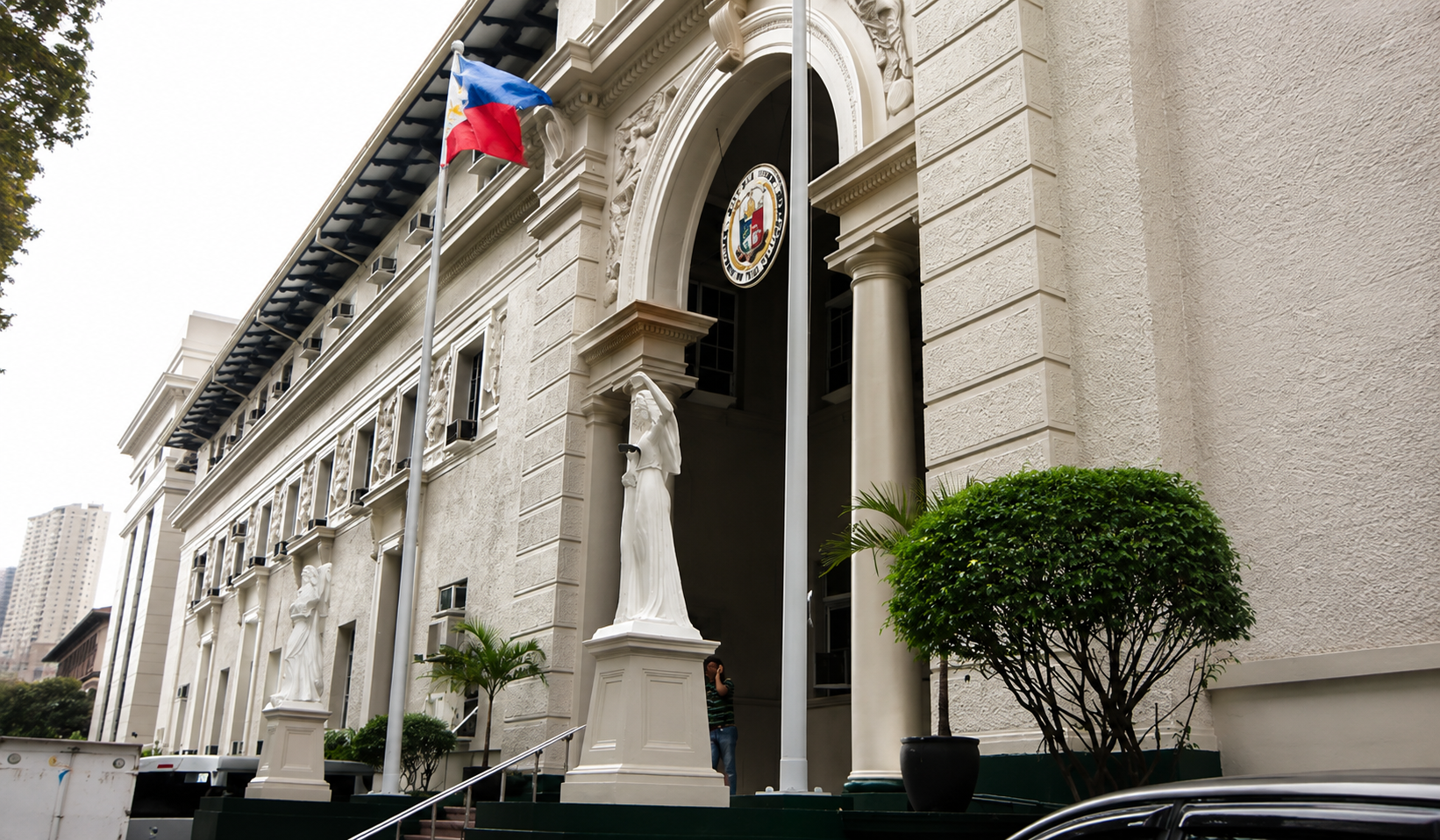
The Philippines has introduced new civil forfeiture rules allowing authorities to pursue assets connected to prohibited Philippine Offshore Gaming Operator (POGO) activities independently of related criminal cases.
The Supreme Court approved the rules under Republic Act No. 12312, also known as the Anti-POGO Act of 2025. According to the Philippine News Agency, the rules will take effect 15 days after their publication on August 9.
The measure further strengthens the enforcement framework behind the Philippines’ nationwide POGO ban. President Ferdinand Marcos Jr. first announced the prohibition in July 2024 and directed licensed operators to cease operations by the end of that year. The policy was later formalized through the Anti-POGO Act, signed in October 2025.
Under the legislation, properties used directly or indirectly for prohibited POGO activities can be forfeited to the government. Covered assets include buildings, facilities, equipment, related materials and proceeds connected to unauthorized operations.
A key feature of the new framework is that civil forfeiture proceedings do not depend on the outcome of a criminal prosecution. Instead, courts focus on determining whether the property itself is connected to unlawful activities. This means authorities can proceed with asset forfeiture even while a related criminal case remains unresolved.
Law enforcement bodies and other government agencies may submit forfeiture petitions through the Office of the Solicitor General to the appropriate Regional Trial Court.
Once a petition is filed, the court must determine within 24 hours whether probable cause exists. When sufficient grounds are established, the court may issue measures preventing the assets from being transferred, concealed, disposed of or otherwise dissipated while proceedings are ongoing.
If probable cause is not established, the petition must be dismissed. Respondents may seek the release of previously seized assets once the dismissal becomes final.
The rules also provide for the partial release of assets before a final judgment when necessary to support government operations or protect affected individuals.
Seized equipment generally cannot be destroyed before a final forfeiture judgment. However, early destruction may be permitted in urgent public-safety situations, provided that a hearing is conducted and relevant forensic evidence is preserved.
The new rules add another enforcement mechanism to the Philippines’ post-POGO regulatory framework, giving authorities greater flexibility to address properties and proceeds associated with prohibited operations.